The Energy-Saving Secret Hiding in Your Windows
- Sydney Outdoor Indoor Living

- Jan 11
- 3 min read
Updated: Aug 4

Here's something that might surprise you: according to research from Your Home (Australia's guide to sustainable homes), windows can account for up to 40% of heat loss in winter and a staggering 87% of heat gain in summer. That's a lot of energy literally going out the window.
Before you start pricing up double glazing or dreaming of a full window replacement, there's a simpler solution that makes a real difference. The right blinds and curtains can dramatically improve your home's thermal performance, and they cost a fraction of what you might expect.
How Window Coverings Actually Save Energy
It comes down to creating a barrier between your glass and your living space. In summer, well-chosen blinds block sunlight before it heats up your room, reducing the load on your air conditioner. In winter, the right curtains trap a layer of still air between the fabric and the window, keeping warmth inside where it belongs.
The key word here is 'right'. Not all window coverings are created equal when it comes to energy efficiency.
The Star Performers
Honeycomb (cellular) blinds are widely considered the most energy-efficient option on the market. Their unique structure creates pockets of trapped air that act as insulation, keeping heat out in summer and in during winter. They're particularly effective in rooms where temperature control really matters, like bedrooms and home offices.
Blockout curtains do exactly what the name suggests, blocking light completely. But they're also excellent insulators. Studies suggest blockout curtains can reduce heat gain by around 33%, and when they're closed on a cold night, they noticeably reduce heat escaping through the glass.
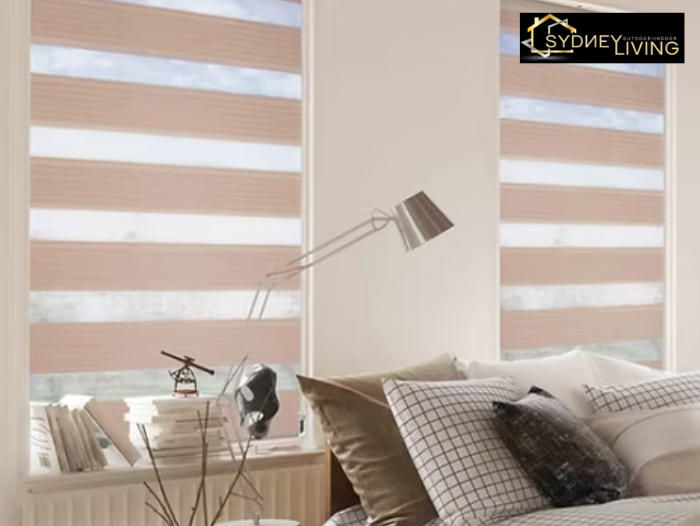
Roller blinds are a versatile middle ground. They won't insulate quite as well as honeycomb blinds, but modern thermal fabrics have made them far more effective than they used to be. Plus, they're sleek, easy to use, and suit almost any room.
The Layering Trick
Here's something interior designers and energy experts agree on: combining blinds with curtains is more effective than using either alone. The blind provides precise light control and privacy during the day, while curtains add an extra insulating layer when you need it.
For maximum efficiency, choose curtains that reach the floor and sit close to the wall. Adding a pelmet (a box or cover at the top) prevents warm air from escaping over the curtain rail. It might sound like a small detail, but it makes a noticeable difference.
Don't Forget How You Use Them
Even the best window coverings only work if you actually use them properly. In winter, open your blinds on north-facing windows during the day to let the sun warm your home naturally, then close everything up as soon as the sun goes down. In summer, close blinds on windows getting direct sun, especially on the western side of the house where afternoon heat hits hardest.
Motorised blinds take this a step further. Set them on a timer or connect them to sensors, and your home essentially manages itself. It sounds like a luxury, but when you factor in the energy savings over time, it can actually pay for itself.
Ready to Upgrade?
If your current window coverings are outdated or you've never really thought about them, now's a good time to explore your options. At Sydney Outdoor Indoor Living, we offer a wide range of indoor blinds and curtains designed to look great and perform even better.
Contact us for a free measure and quote, and let's find a solution that suits your home, your style, and your energy bills.